Raquel Duron, Editor in Chief
Originally published April 2019
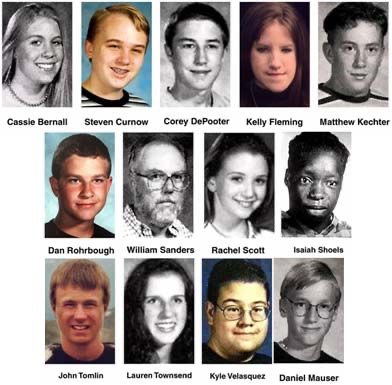
On April 20, 1999, two students attending Columbine High School stormed the Denver campus armed with shotguns and semiautomatic weapons, shooting twelve students and a teacher before taking their own lives. At the time, the massacre at Columbine High School was the worst school shooting in U.S history, and it has since begun a debate about school safety and gun control in America.
The shooting emphasized the lack of preparation and possibility of this situation repeating in American schools. The horror of 13 people losing their lives, in an American high school, all unfolding on live television, horrified the nation. After the shooting, America launched into a new century; a new era of the recurring nightmare that was Columbine.
Columbine was hardly the first recorded mass shooting to take place on a school campus, but it was one of the first that the media covered so heavily. Littleton, Colorado, seemed far from home, but the mourning and aghast spread to our own campus. Karen Gerdes, a teacher at Rancho Cucamonga High School since 1992, was able to see our campus culture shift following the 1999 massacre, “There was a lot of shock [from] students that something like that would happen; […] I don’t think it struck home that it could possibly happen here. It was still a one time occurrence, but it was kind of like, ‘Oh, wait, it happened at a school,’ so it hit us like it was something […happening at] our school.”
With excessive news coverage, Americans were able to watch the events unfold live. This allowed Columbine to become the blueprint for any potential shootings. Active shooter drills have become more common due to an increase of gun violence within schools. Within each and every year passing, new horror stories come out with the lastest, most creative way a student was able to harm their peers.
Cameron Steger, senior at Rancho Cucamonga High School, has participated in countless active shooter drills and taken notice of the increase in security within public high schools, “In a way, American high schools are waging a war against school shootings by doing everything in their power to prevent them from happening. It is a scary thought to think that we have increased security presence on campus because of things that happen on a regular basis at schools across the country rather than to simply be prepared for a hypothetical atrocity that hasn’t ever been committed before.”
The media tends to overdramatize the most horrific crimes, giving notoriety to those who are willing to commit violence acts to avoid oblivion. Media coverage can give future perpetrators a new perspective on the aftermath of committing atrocities; an incentive of gaining fame through violent actions. Zachary Gomez, senior at Rancho Cucamonga High School, argues the appeal that persistent coverage can give a potential shooter, “The media [does] not exactly glorify school shootings, but once your name is out there for doing something, you feel a sense of importance. That’s what a school shooter would crave.”
The Columbine shooting left thirteen dead—twelve students and one teacher. Thirteen individual lives were lost due to the abhorrent actions of two young men: Cassie Bernal, Steven Curnow, Corey DePooter, Kelly Fleming, Matthew Kechter, Daniel Mauser, Daniel Rohrbough, Rachel Scott, Isaiah Shoels, John Tomlin, Lauren Townsend, Kyle Velasquez, and Dave Sanders. The cultural power and destruction of this event is still relevant twenty years later. Keep the victims in your hearts and spread their names rather than let the names of the two assailants who committed this atrocity live in infamy.
 The Cat's Eye